
A common problem for landlords and property managers is ensuring a smooth transition after tenants vacate the premises. Communication is often the key to achieving this, and that’s why move-out letters are practical tools. If you own or run rental spaces, knowing the importance of move-out letters and how they can protect your property and ensure a better tenant-landlord relationship is vital. At 3 Options Realty, we can help you transition from vacancy to leasing the property again seamlessly.
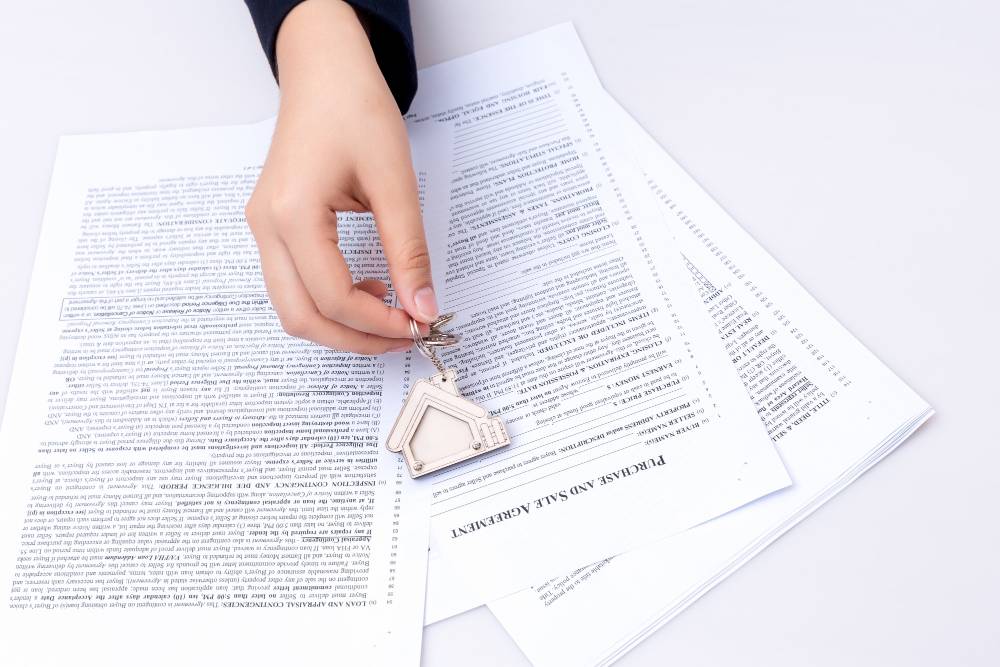
As mentioned, communication is vital when terminating a tenant’s lease. Move-out letters provide instructions and pertinent information like dates about the departure to avoid inconveniences. A well-crafted notice should ensure the tenants understand their responsibilities, such as returning keys, move-out cleaning, and maintenance. This is vital in ensuring a smooth transition for tenants and the property management company or landlord.
Besides effective communication, sending a move-out letter offers many benefits that ensure a smooth transition for tenants and landlords. Let’s look at the reasons you should consider a move-out letter.
A move-out letter from the landlord or property management company shows consideration for the tenants and builds trust. In addition, tenants feel respected and are likely to follow the instructions smoothly. A move-out notice is considered an act of good faith and can lead to a stronger relationship between the involved parties.

3 Options Realty is committed to providing Georgia's best property management services. But in the unlikely event that a landlord…
Read More

Are you struggling to maintain multiple rental properties? Have you recently purchased your first real estate investment, but are feeling overwhelmed…
Read More
Most property management companies are designed around the departmental organizational structure. 3 Options Realty is much different and there are…
Read MoreMove-outs can be hectic, especially if you don’t know what you are required to do before vacating the premises. A move-out letter eliminates uncertainties by clarifying what tenants should do before leaving the property. Some expectations include cleaning, repairs, or returning keys and access cards. This is an excellent way to simplify these expectations, reducing the risk of misunderstandings for a smoother transition.
The law requires landlords and tenants to provide a move-out notice in advance. This is vital to allow timely preparation for departure. When you issue a move-out letter, it gives the tenant time to seek other accommodations, address issues, and complete the instructions listed. Since tenants are not rushed, the process is more orderly and stress-free for both parties.
A move-out letter should be issued thirty to sixty days before the end of the lease. This is an adequate timeframe for tenants to prepare to address maintenance issues and repairs. In addition, an early notice reduces the inconveniences and last-minute issues associated with impromptu move-out notices. Property managers and landlords can also take the time to inspect the space before the actual departure to ensure everything is up to standard.
Tenants often confuse move-out letters and eviction notices and use these terms interchangeably. However, these documents serve different purposes, and it is advisable to research or consult a professional for better understanding. Contact us at 3 Options Realty and schedule a consultation with our experts. We provide comprehensive property management services, ensuring a higher return on investment and a good tenant-landlord relationship.

Are you a rental property owner or a prospective real estate investor? If so, knowing the importance of preventive maintenance is…
Read More.webp)
When navigating the complexities of property management, it requires a clear understanding between residential and commercial properties. While both sectors present…
Read More
A well-managed and maintained commercial property can provide consistent returns and long-term value. However, maximizing your return on investment (ROI) takes…
Read More
Property managers have many responsibilities, including regular maintenance and rent collection. A common concern tenants have is whether their authority extends…
Read More